

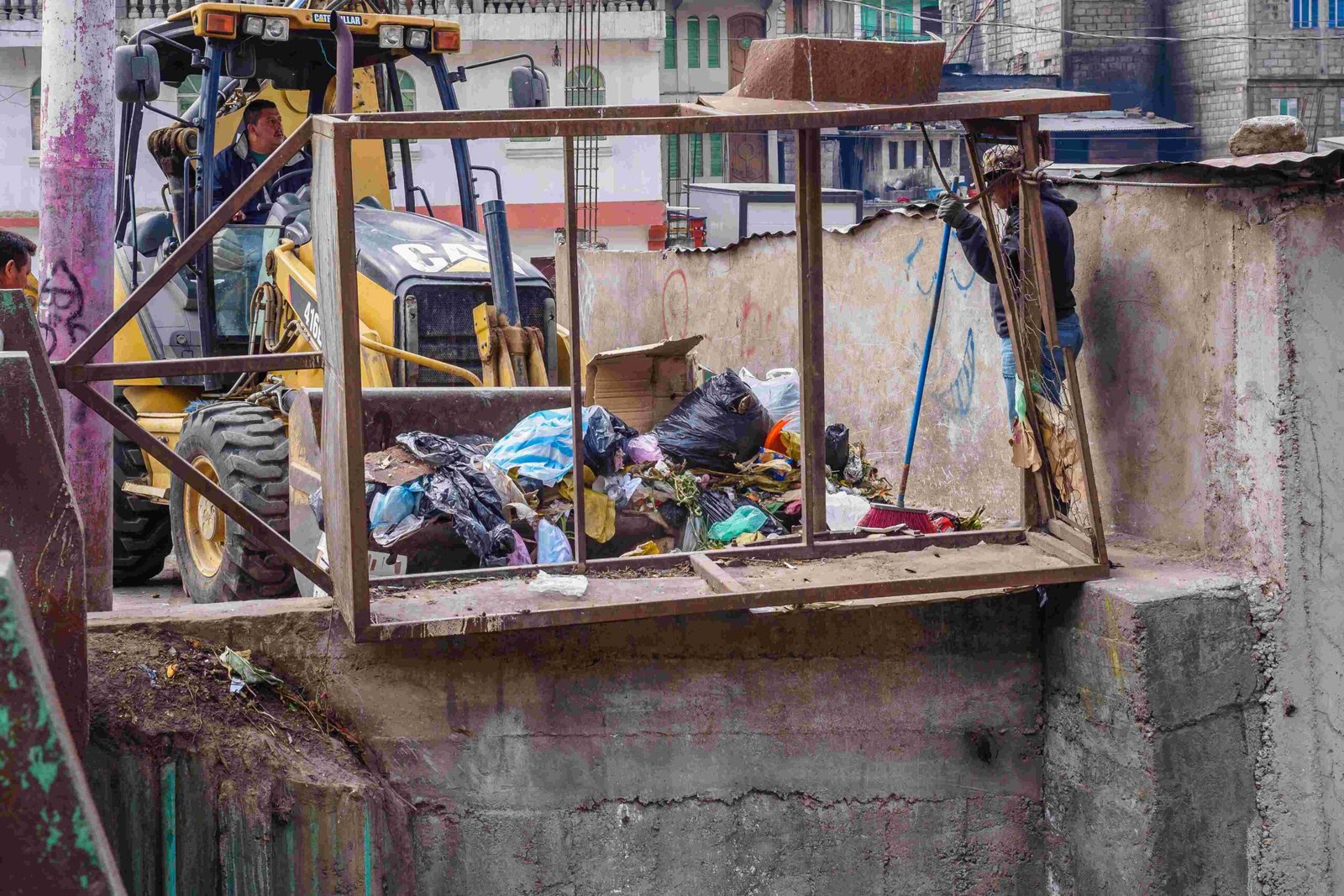
In the ever-evolving world of construction, where progress and innovation thrive, lies an imperative challenge in minimising the environmental impact of construction waste. As the construction industry continues to flourish, the staggering amounts of waste generated pose significant threats to our planet. However, this challenge also brings forth an opportunity for positive change. This blog will explore practical and sustainable solutions to tackle construction waste head-on. By understanding the gravity of the issue and embracing eco-friendly practices, we can forge a path towards a greener and more responsible construction industry that harmonises progress with environmental preservation.
Understand the Causes of Construction Waste
One of the primary causes of construction waste is inefficient project planning and design. When the planning phase overlooks the potential for waste reduction, it sets the stage for excess materials and unnecessary disposal. Additionally, material overordering and surplus are significant contributors to construction waste. Moreover, a lack of recycling and waste management strategies can exacerbate the issue. When Recycling isn’t prioritised, reusable materials that could find new life in other projects end up as waste. Furthermore, improper demolition practices and disposal methods contribute to the mounting construction waste problem—the overall waste output.
Understand the Environmental Impact of Construction Waste
The repercussions of construction waste are far-reaching and devastating for the environment. One of the most evident impacts is damaging ecosystems and natural habitats. As waste accumulates in landfills, it releases harmful substances that can find their way into the soil and water, negatively affecting local flora and fauna. Additionally, construction waste contributes significantly to greenhouse gas emissions, exacerbating climate change. These emissions come from waste transportation and the breakdown of organic materials in landfills. Furthermore, the pollution caused by construction waste can contaminate soil and water sources, posing health hazards to nearby communities finding their way into the food chain and impacting human health in the long run.
Minimising Construction Waste: How to Build Green
To minimise construction waste and build green, embracing eco-friendly practices is essential. The following strategies effectively reduce waste: Waste Reduction Strategies can be implemented through lean construction principles and waste minimisation plans, promoting efficient material use and avoiding overordering. On-site segregation and recycling stations ensure recyclable materials find new purposes, reducing the amount sent to landfills. Reuse and Recycling play a crucial role in waste reduction. Salvaging materials from demolition and renovation projects gives them a second life in new constructions or Recycling, diverting significant waste from landfills. Encouraging the use of recycled materials in construction helps close the resource consumption loop. The construction industry can lead to a more sustainable and environmentally friendly future by taking these steps.
Waste Management and Disposal
Managing waste is a very critical aspect of any responsible construction project. Proper handling and disposal of construction waste can significantly mitigate its environmental impact. Responsible disposal involves sending waste to licensed recycling centres or waste-to-energy facilities where somebody can process materials appropriately. Construction waste may sometimes include hazardous materials like lead, asbestos, or chemicals, which require specialised handling and disposal to ensure they don’t threaten the environment or human health. It is also vital for construction companies to abide by government regulations regarding waste management and disposal to avoid penalties and ensure environmentally responsible practices.
Case Studies and Success Stories
Somebody can find inspiration in the success stories of construction projects that have gone the extra mile to minimise their environmental impact. e.g., the Leadership in Energy and Environmental Design certification is an internationally recognised green building standard that many projects have successfully achieved by implementing sustainable practices, including waste reduction and Recycling. Some innovative construction companies have set the ambitious goal of achieving zero-waste construction sites, involving meticulous waste sorting, Recycling, and partnering with recycling centres to ensure that virtually no waste ends up in landfills. Additionally, repurposing old buildings instead of demolishing them has become popular in some visionary projects, reducing waste while preserving cultural heritage and promoting sustainable urban development.
Understand The Role of Government and Industry Regulations
The role of government and industry regulations must be balanced when it comes to minimising construction waste. Governments play a crucial role in setting waste reduction targets and incentivising companies to adopt sustainable practices. Financial incentives, tax breaks, and streamlined permitting processes can encourage construction firms to prioritise waste reduction and environmental responsibility. Moreover, governments can implement waste management policies to ensure construction waste is managed responsibly. They can promote recycling initiatives, enforce waste segregation practices, and encourage the adoption of circular economy principles in construction projects. Collaborating with industry stakeholders, including contractors, developers, and environmental experts, governments can develop effective strategies to address construction waste at its source.
Conclusion
The quest to minimise the environmental impact of construction waste is a shared responsibility that demands urgent attention. By minimising the environmental impact of construction waste, the construction industry can lead the charge towards a more sustainable future. Each small step taken by builders, contractors, and individuals contributes to the greater goal of safeguarding the planet. Embracing eco-friendly practices reduces waste and showcases the industry’s commitment to environmental stewardship. People together can build a greener tomorrow, where construction thrives in harmony with nature, leaving a legacy of sustainability for generations to come.
